Laboratory of Biodiversity & Evolution of Marine Animals (BEAM) - Tinti & Cariani Lab
Marine neo- and archaeogenetics, biomolecular analyses on tissue and environmental samples from marine animals and ecosystems, and bioinformatic analyses for population genetics and genomics
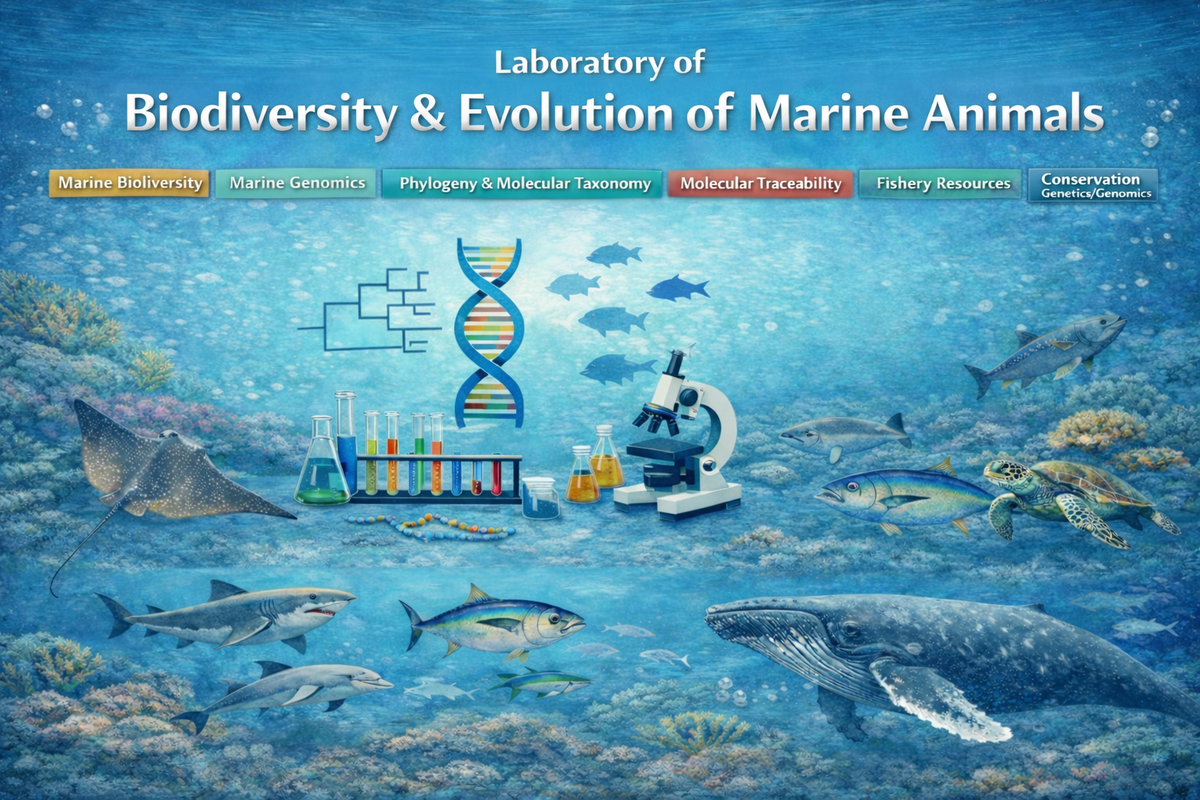
The BEAM - Tinti & Cariani Lab carries out research on variations in organismal, genetic, and ecological diversity, as well as on the eco-evolutionary impacts of human activities affecting ecosystems, species, and taxonomic groups of marine fauna. Through the qualitative and quantitative analysis of parameters describing diversity across spatial and temporal dimensions, the results of BEAM’s research contribute to defining and supporting strategies and policies for the sustainable use of marine ecosystem and animal resources, and for the biological conservation of species and animal populations at risk of decline or extinction.
-
Academic Staff
The BEAM–Tinti & Cariani Lab is supervised by Fausto Tinti and Alessia Cariani, Professors of Zoology, who have decades of research experience in marine zoology, genetics, and genomics. Alice Ferrari is Adjunct Professor in Zoology at the Lab and leads research and teaching activities in marine fishery and molecular systematics of fish.
-
Post-docs & PhD Students
Currently (2025–2026), the BEAM – Tinti & Cariani Lab hosts and trains postdoctoral researchers and PhD students from national and international PhD programs. To date, BEAM has provided scientific training to 21 PhD students within national doctoral programs at the University of Bologna and the University of Palermo, as well as within international programs, including the Erasmus Mundus program at Ghent University (Belgium) and the Marie Skłodowska-Curie Actions program at the University of York (United Kingdom).
BEAM Lab
Key-words: marine biodiversity; marine genomics; phylogeny; molecular taxonomy; molecular traceability; fishery resources; conservation genetics/genomics
Key-technologies: population genetics; population genomics; DNA metabarcoding; stable isotope analyses; geometric morphometry
Key-taxa: Rays; Skarks; Tunas; Commercial marine fishes; Turtles; Dolphins; Whales
The Biodiversity & Evolution of Marine Animals (BEAM) Tinti & Cariani Lab (formerly, the GenoDREAM Lab) is located in the Campus of Ravenna, Via S. Alberto 163, 48123, Ravenna, Italy. The BEAM-Tinti&Cariani Lab is exclusively dedicated to institutional research, in collaboration with SMEs and NGOs involved in marine conservation and fishery sector (it does not provide third-party services).
The BEAM-Tinti&Cariani Lab focuses on marine neo-and archaeo-zoogenetics; implementing biomolecular analysis on marine tissues and environmental matrices as well as bioinformatics analysis on population genetics/genomics and environmental DNA/metabarcoding with the aim of investigating:
- phylogenetic and evolutive relationships among the different marine species.
- connectivity and population structure of marine populations.
- space-time changes in reproduction and demography of marine species and populations of priority importance for fish management and biological conservation, including also the analyses of museum, historical and archeological samples.
- taxonomy, species traceability and geographical origins of marine species important for commercial and conservation interests
The main taxa investigated by the BEAM - Tinti & Cariani Lab are the following:
- Cartilaginous fishes, with a special focus on Atlantic and Mediterranean rays, skates and sharks (among these: great white shark, blue shark, demersal sharks, endemic and cosmopolitan rays and sawfishes)
- Bony fish, including numerous relevant commercial fishery and aquaculture marine species such as bluefin tuna, tropical tunas, hake and sole
- Marine invertebrates, including valuable marine crustacean and molluscs species
- Marine Turtles and Mammals, mainly from natural history museum collections
Core technologies, also supplied by outsourced services, are used to analyse DNA, genetic and genomic markers; genetic variation data are investigated at mitochondrial and microsatellite loci whereas genomic data output provides information for variation at SNP loci. Genomics is performed by Next Generation Sequencing technologies such as Genotyping-By-Sequencing, Restriction-site Associated DNA sequencing and Whole Genome Resequencing.
Beside these core technologies, technical skills and competences in ancient DNA analysis, geometrical morphometry, microelements analysis and radioisotopes have been acquired thanks to collaborations with other research teams.
BEAM Technicians
Research and teaching activities in the laboratory are coordinated and carried out by the technicians Alice Ferrari (Alice is also Adjunct Professor) and Federica Piattoni, who, together with BEAM–Tinti & Cariani Lab's postdoctoral researchers and PhD students, contribute to the training of undergraduate BSc and MSc students.
BEAM Equipment
- Basic lab equipment for DNA biomolecular analyses: water bath, thermomixer, refrigerated centrifuge, sterilizer, chemical hood, laminar flow hood, electrophoresis system for DNA analysis on agarose gel, PCR thermocycler, UV transilluminator, Qubit for DNA and RNA quantification, tools and kits for DNA extraction.
- ICT for genetic and genomic data analyses: BEAM-Tinti&Cariani Lab possesses and uses a PowerEdge R740XD server with a processor Intel Xeon Gold 6238R 2.2G, 28C/56T, 10.4GT/s, 38.5 M Cache, Turbo, HT (165W), installed on LINUX-Ubuntu operating system 18.04 LTS 64 Bit and 6 Hard Drivers Bays 1.6TB SSD SAS Mix Use 12Gbps 2.5 in Hot-plug; BEAM data storage is done on a DS1621 DiskStation with 6 internal HDD (6TB each).
BEAM Training activities
The BEAM-Tinti&Cariani Lab offers key competences for experimental research work in:
- Conceptualization and preparation of BSc and MSc experimental thesis in Marine Biology, Natural Sciences, Bioinformatics, Environmental Sciences, Marine Sciences
- Conceptualization and preparation of PhD research programs within national and international networks (Erasmus Mundus, Marie Skłodowska-Curie Actions).
- Research projects for post-Doc fellows and visiting researchers.
Album
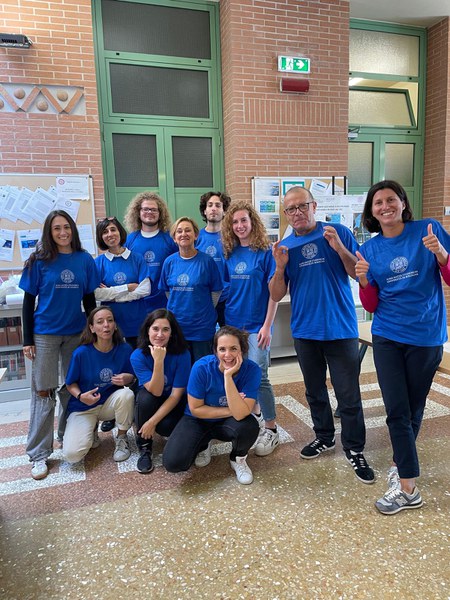
The Staff
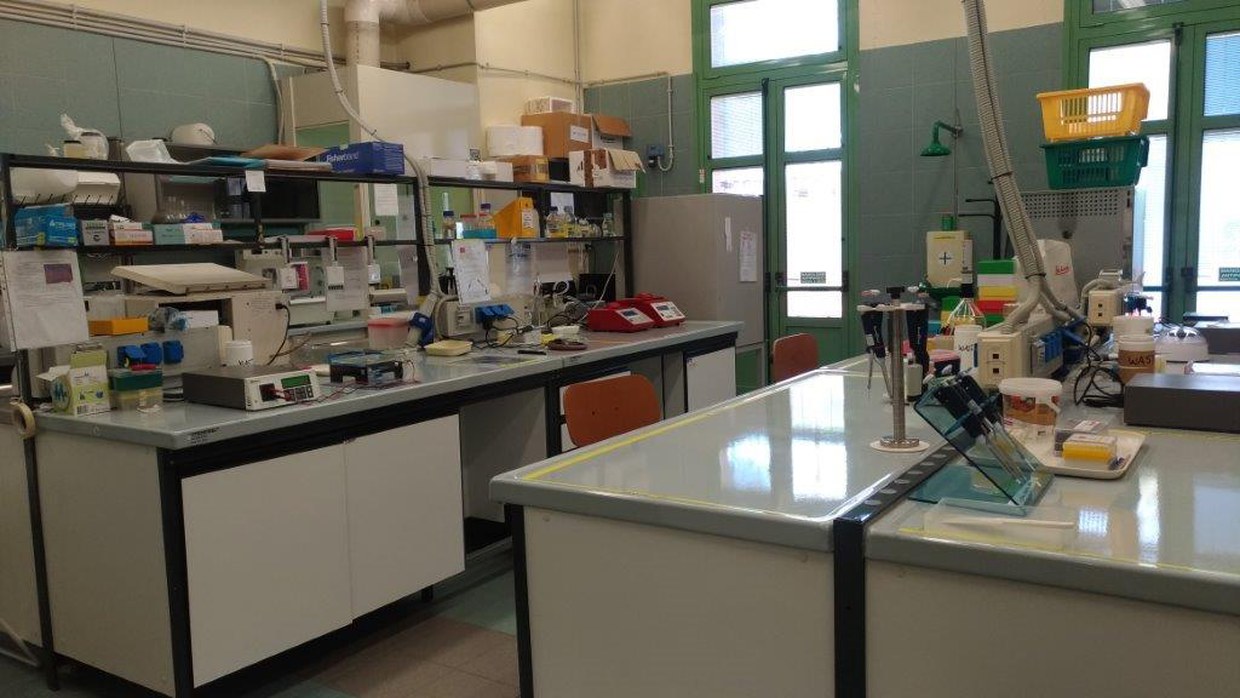
The Lab
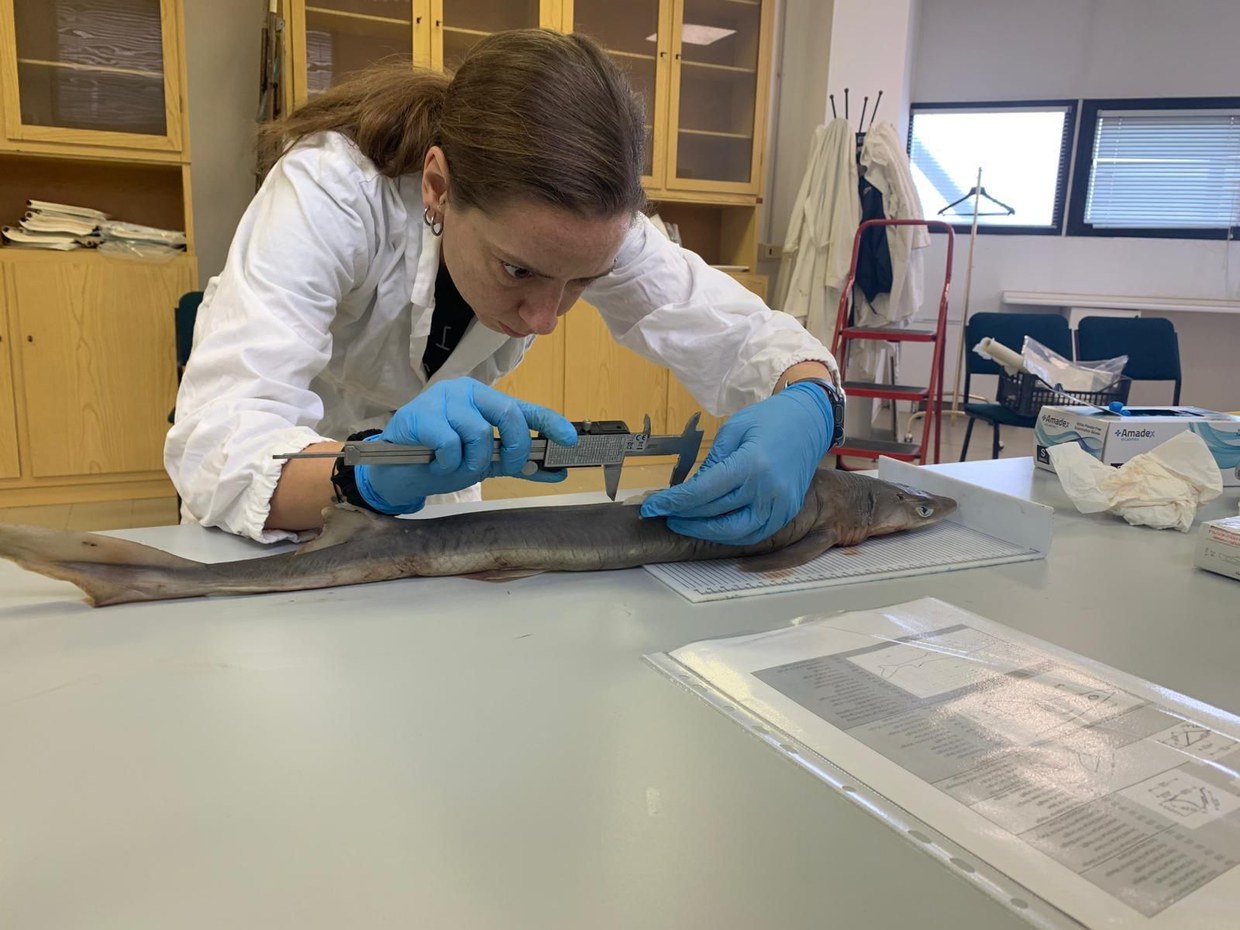
Measuring a specimen
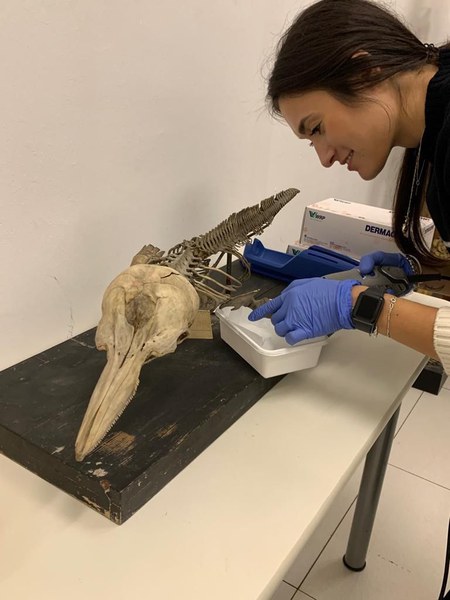
Sampling tissue from museum specimen
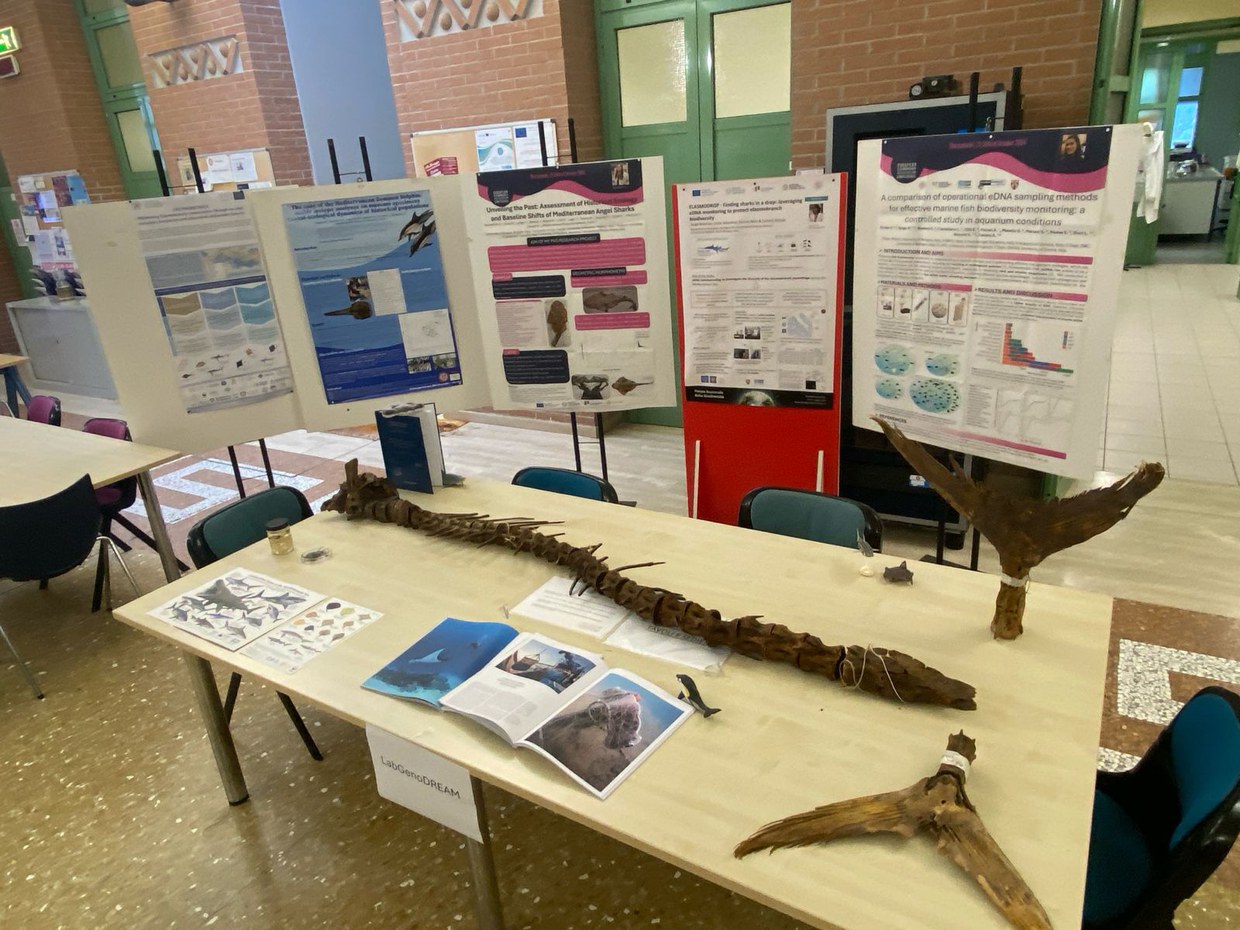
Historical tuna skeleton
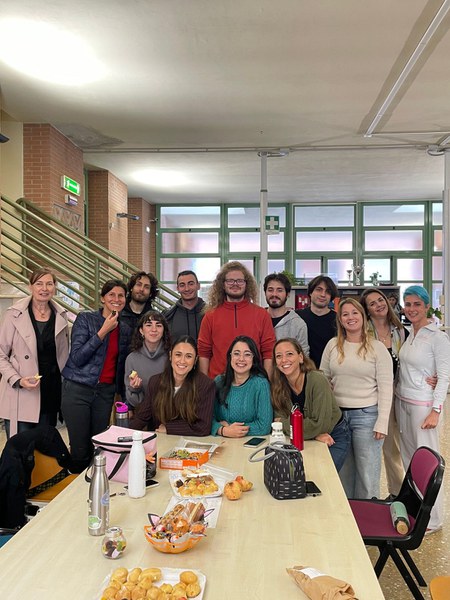
Happiness at work!
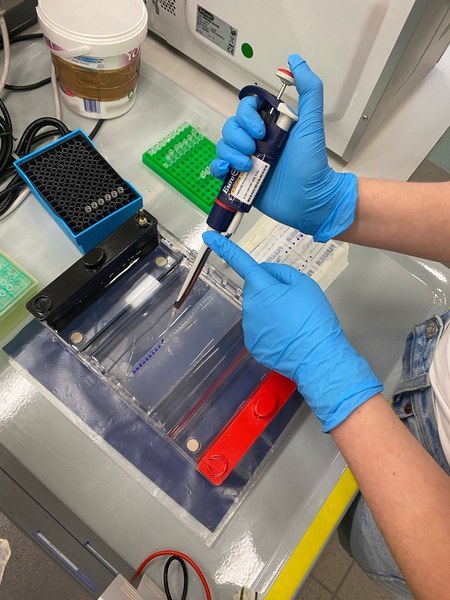
Activity in the lab
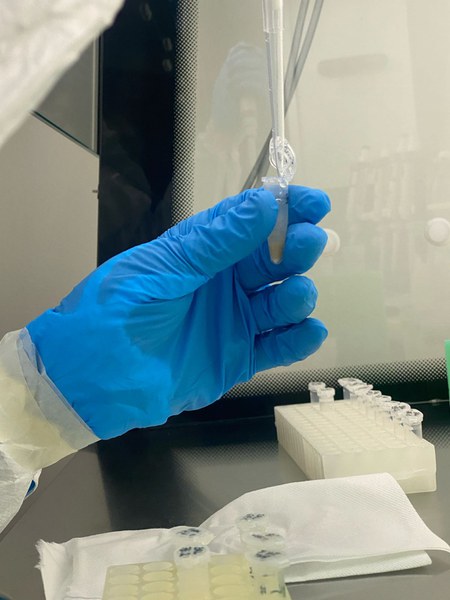
Activity in the lab
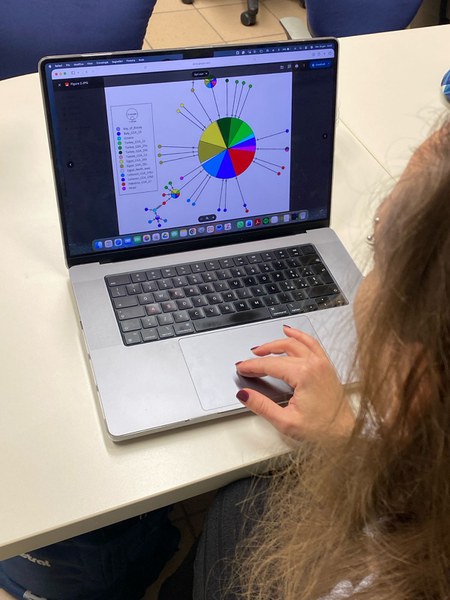
Data analysis
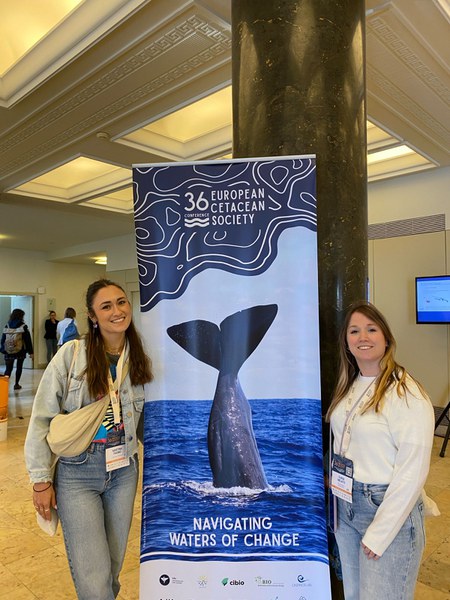
Smiling at congress!
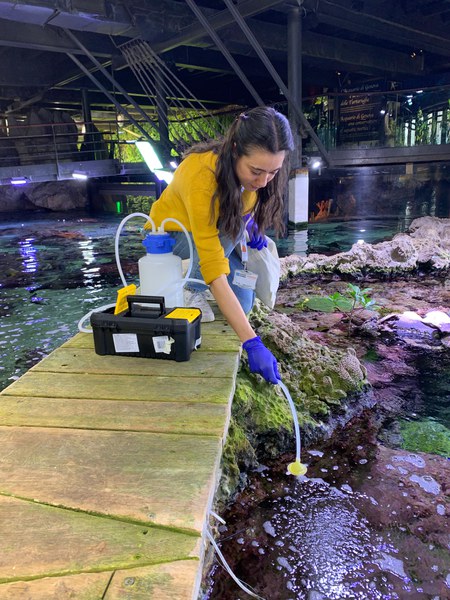
eDNA sampling activities at the Genoa Aquarium
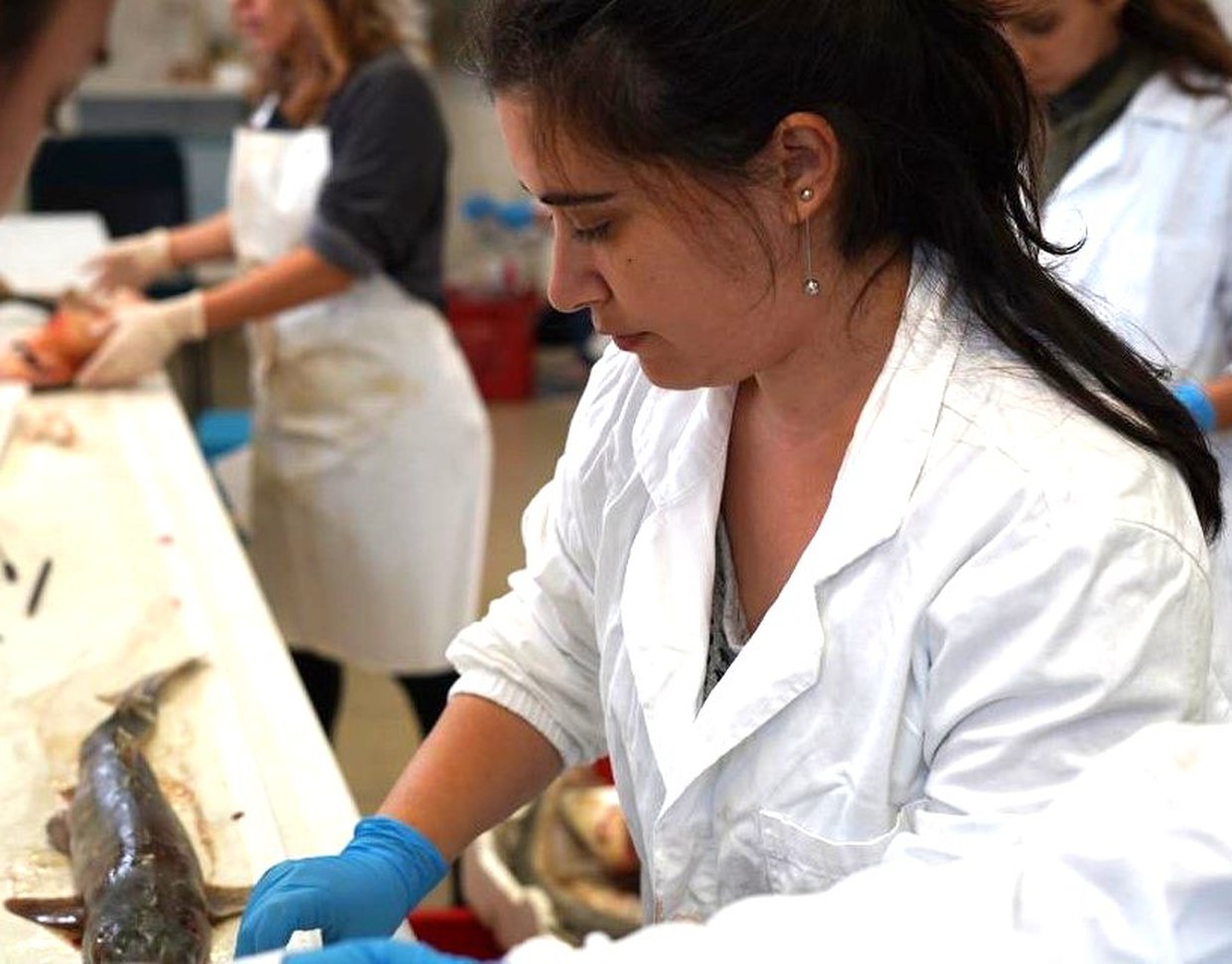
Activity in the lab
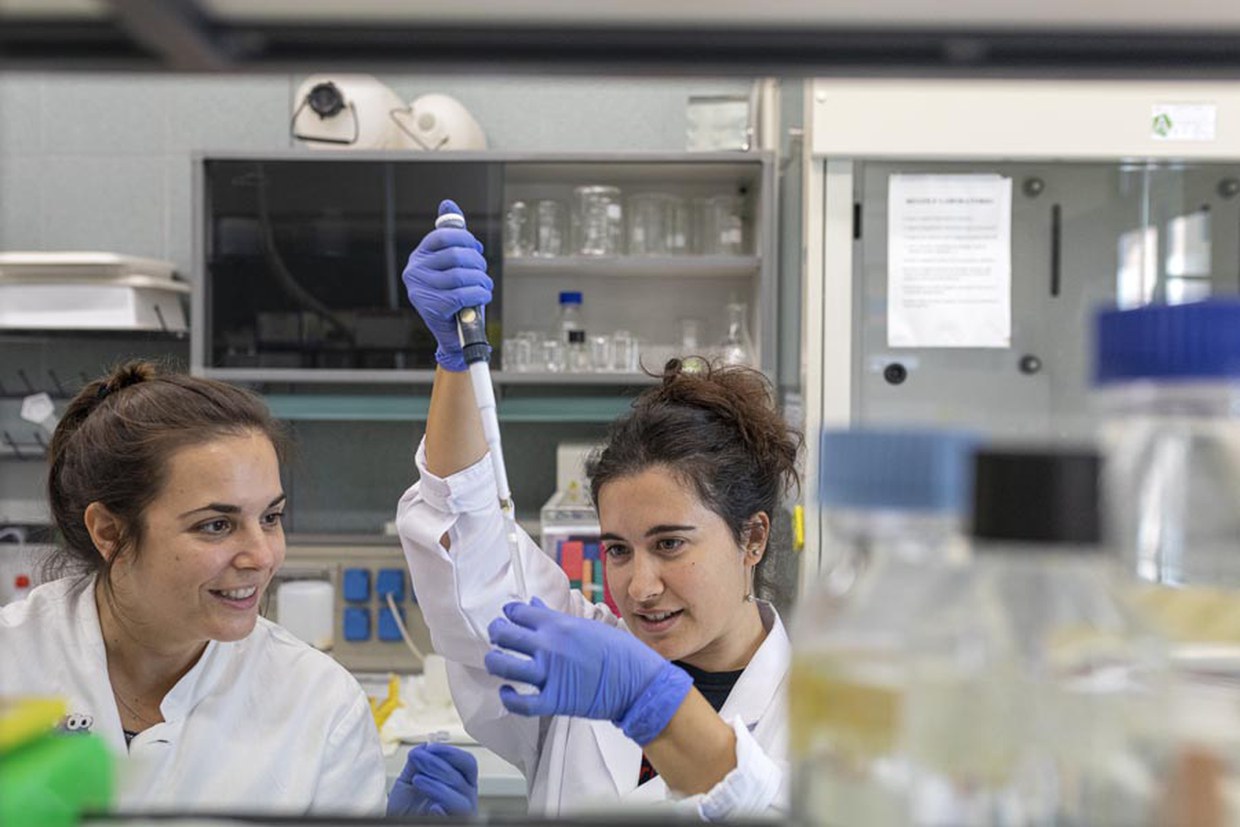
Activity in the lab
Contacts
-
Full Professor
Dipartimento di Scienze Biologiche, Geologiche e Ambientali
Via S.Alberto 163
Ravenna (RA)
Tel: +39 0544 937317
-
Associate Professor
Dipartimento di Scienze Biologiche, Geologiche e Ambientali
Via S.Alberto 163
Ravenna (RA)
Tel: +39 0544 937321
-
Federica Piattoni
Area dei Funzionari - Settore scientifico - tecnologico
BiGeA - Servizi tecnici di laboratorio Ravenna
Via S. Alberto 163
Ravenna (RA)
Tel: +39 0544 937317
Tel: +39 0544 937408
-
Area dei Funzionari - Settore scientifico - tecnologico a tempo determinato, Adjunct professor
BiGeA - Servizi tecnici di laboratorio Ravenna
Via S. Alberto 163
Ravenna (RA)
Tel: +39 0544 937408